
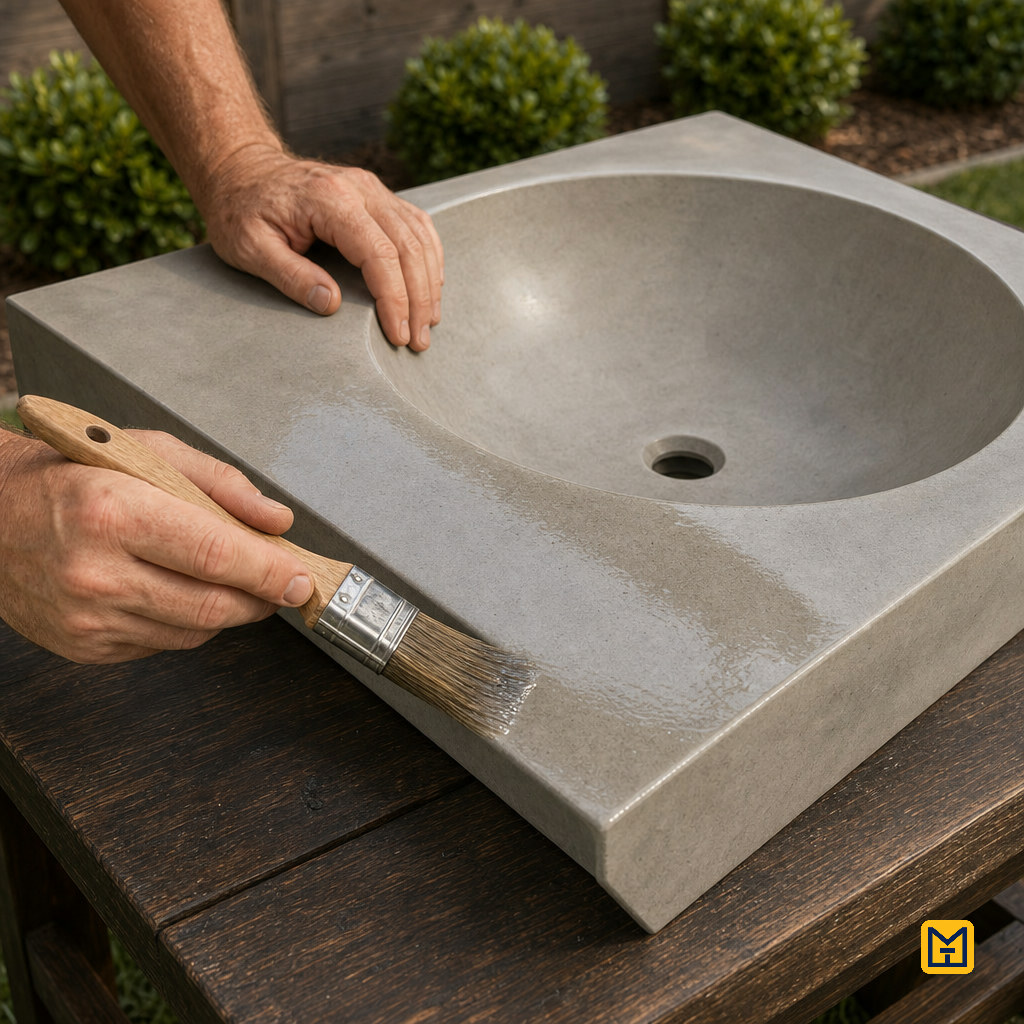
Cast Concrete Outdoor Sink with Ball-Formed Round Basin
by Nikos Papadopoulos
Cast a 70 × 70 cm, 15 cm thick concrete sink with a smooth, bowl-shaped single basin formed by an inflated gym ball pushed up through a melamine mould. It suits someone with basic DIY skills who wants a heavy, weatherproof garden or outdoor-kitchen sink for a fraction of the price of a stone one.
Mould
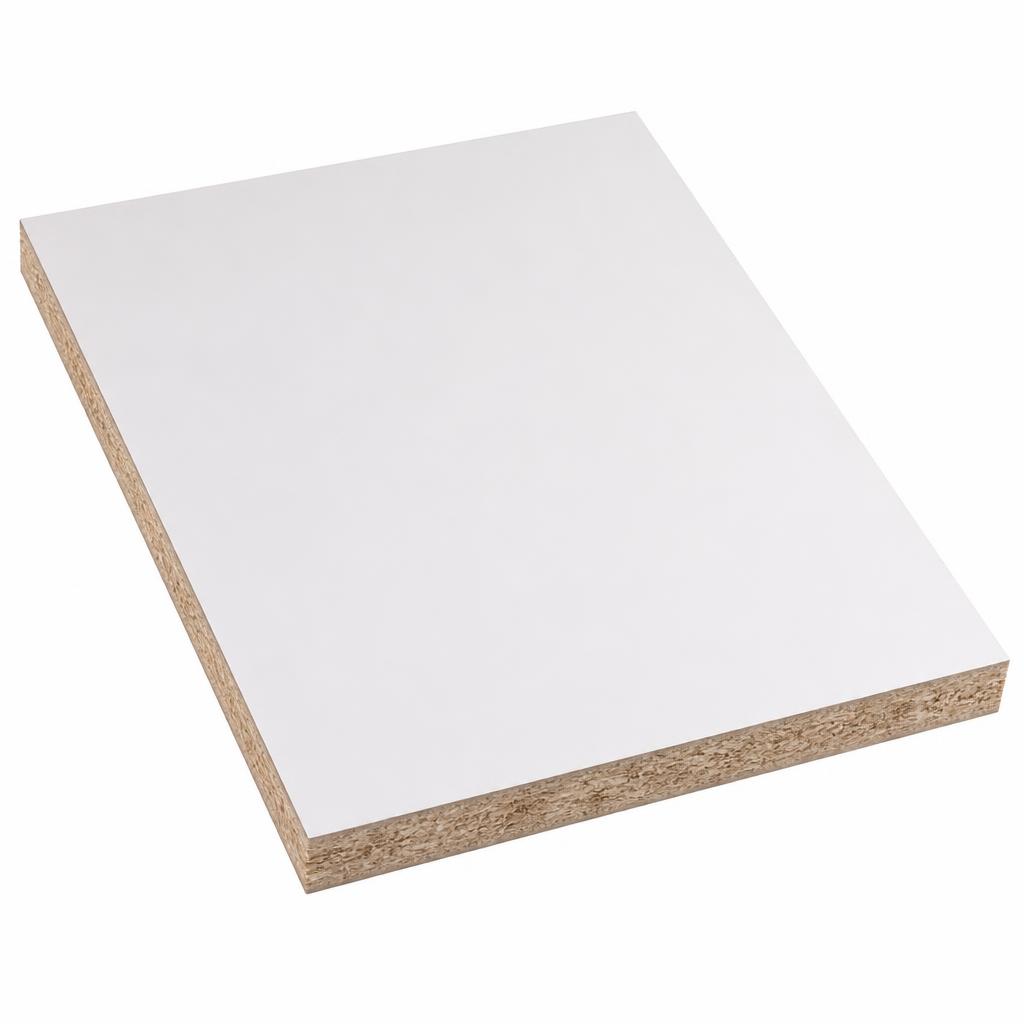
Melamine-faced chipboard sheet 18 mm
1 full sheet 244 × 122 cm, 18 mm thick (cuts into the mould base and four mould walls — the shiny white face gives the polished concrete surface)
35

Gym exercise ball 65 cm
1 ball, 65 cm nominal diameter, inflatable with a screw plug (forms the round basin void)
16
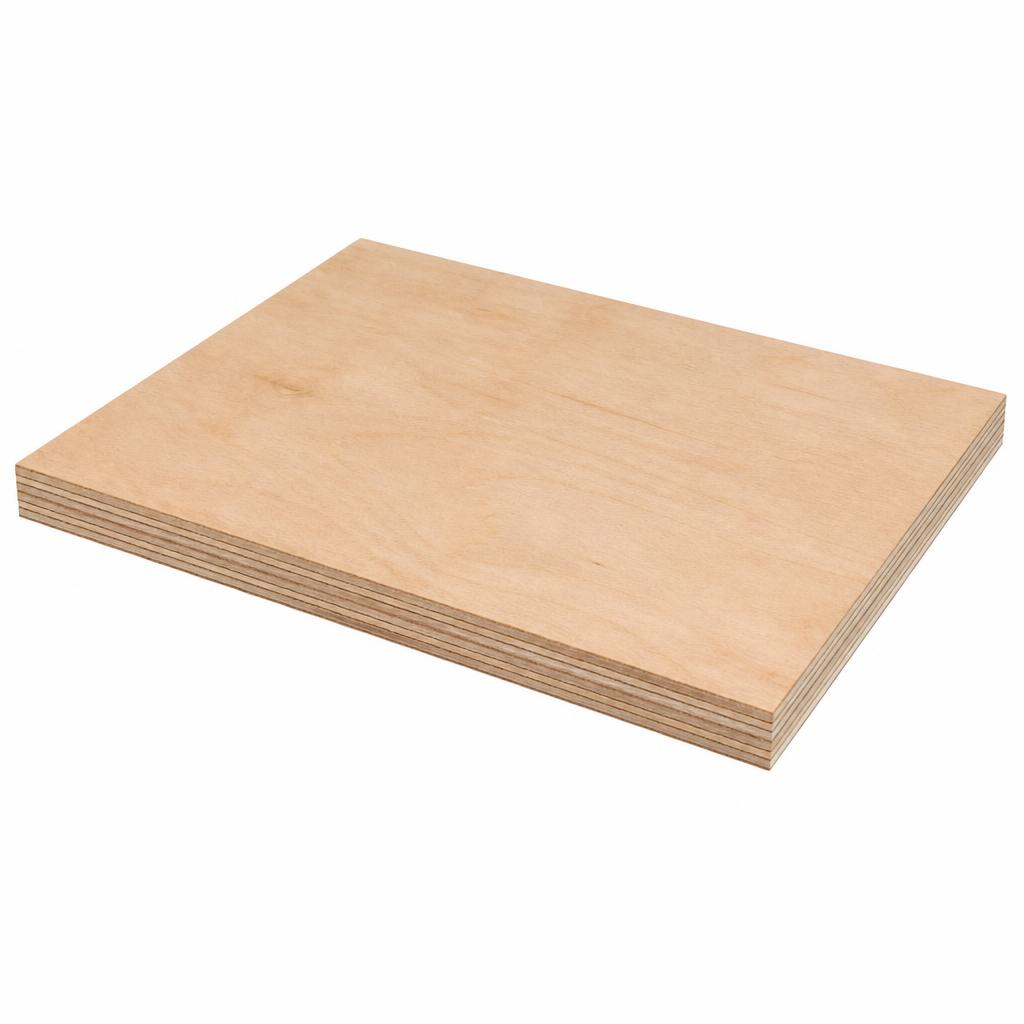
Plywood base board 18 mm
1 piece 80 × 80 cm, 18 mm thick (sits under the ball and carries its weight during the pour)
18
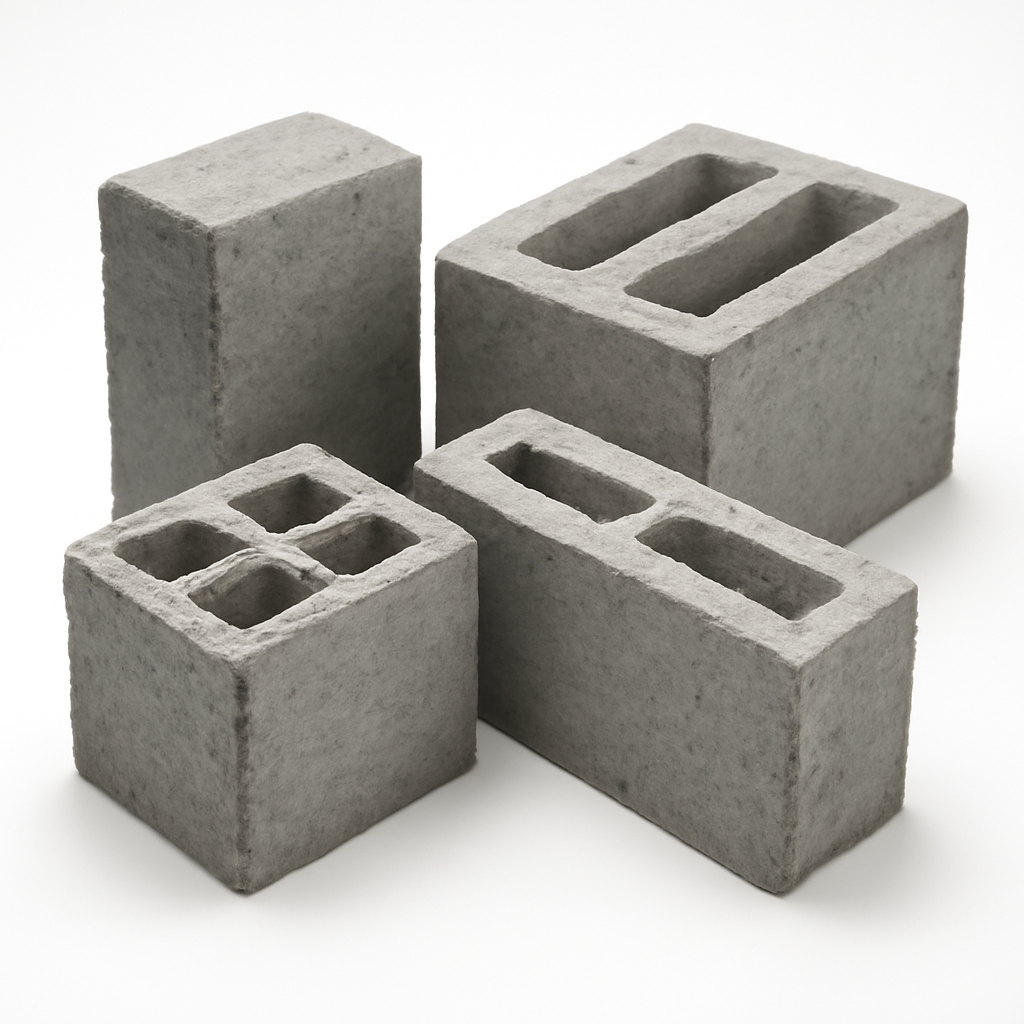
Concrete blocks
4 standard hollow blocks, roughly 44 × 22 × 10 cm each (support the mould box at working height, one under each corner)
10

Wood screws 50 mm
40 screws, 50 mm long, countersunk (screw the mould walls to the base and to each other)
6
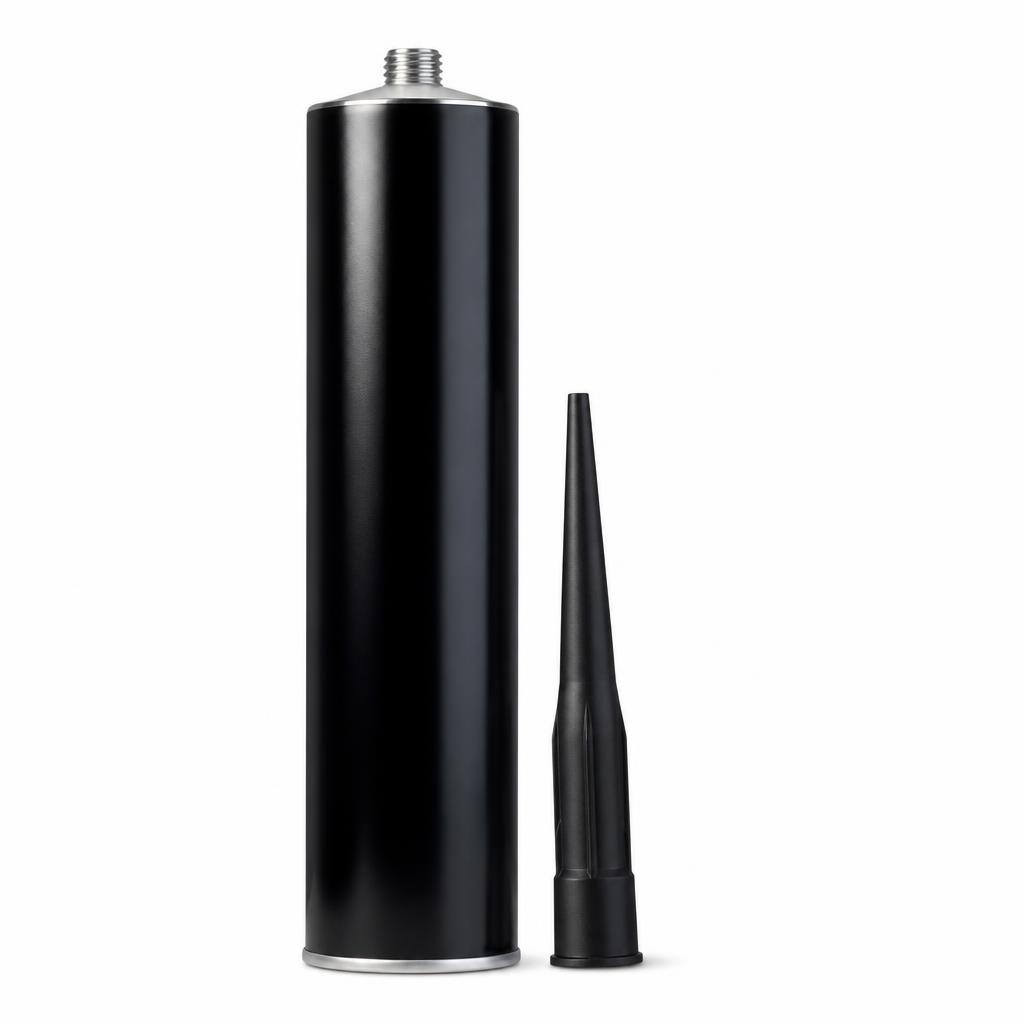
Black silicone sealant
1 cartridge, 310 ml (seals every internal mould joint and the ball-to-hole gap so no slurry escapes)
7
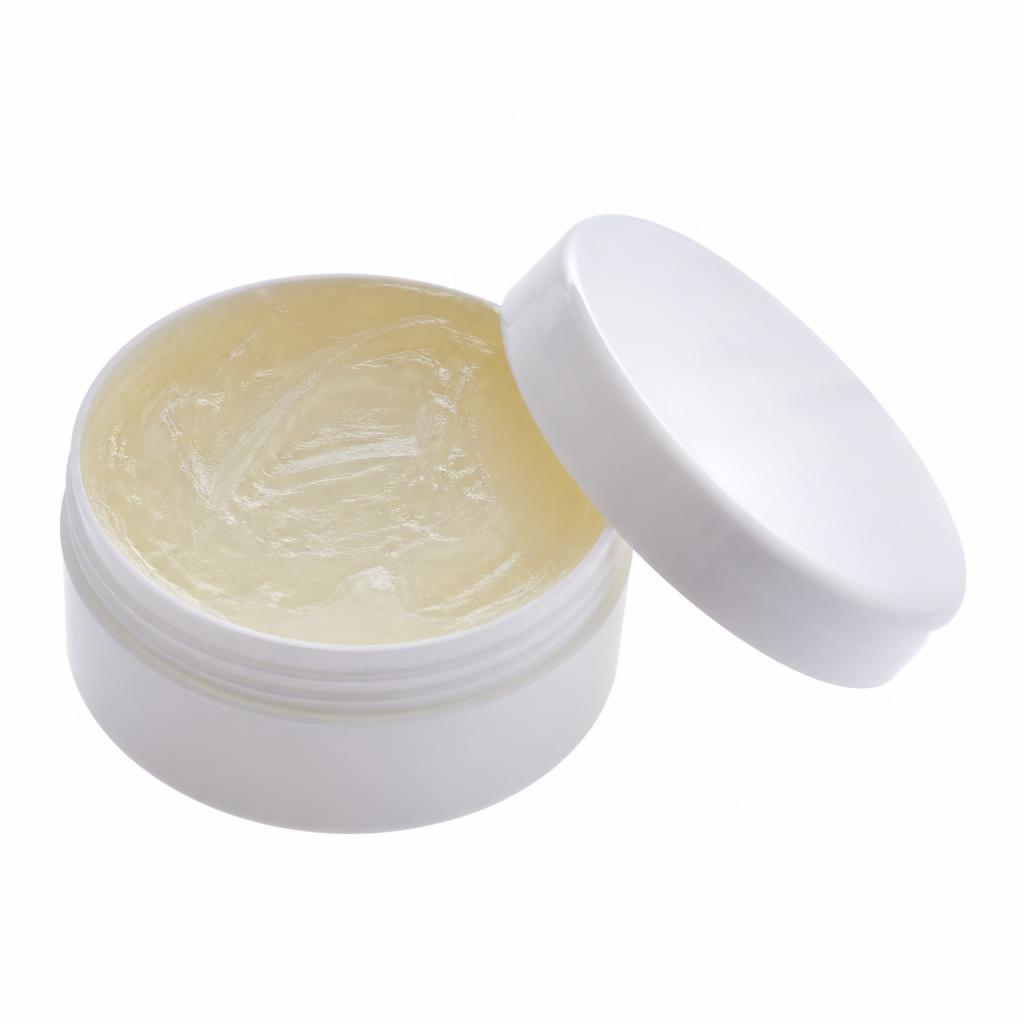
Paste wax or petroleum jelly
1 tub, 250–500 g (mould release on the melamine and on the ball surface)
8
Concrete
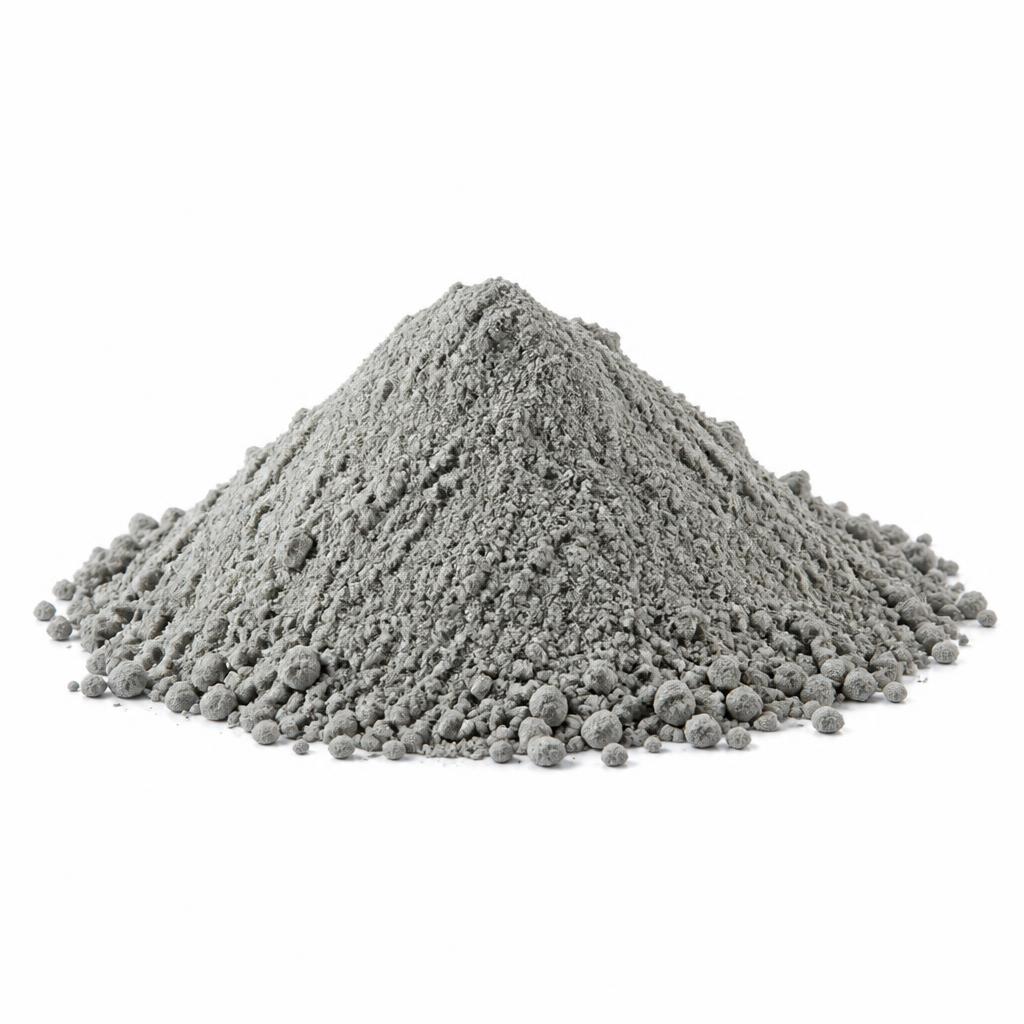
High-strength fine concrete mix
6 bags of 25 kg, maximum 10 mm aggregate (the sink itself — needs about 62 litres of wet mix)
38
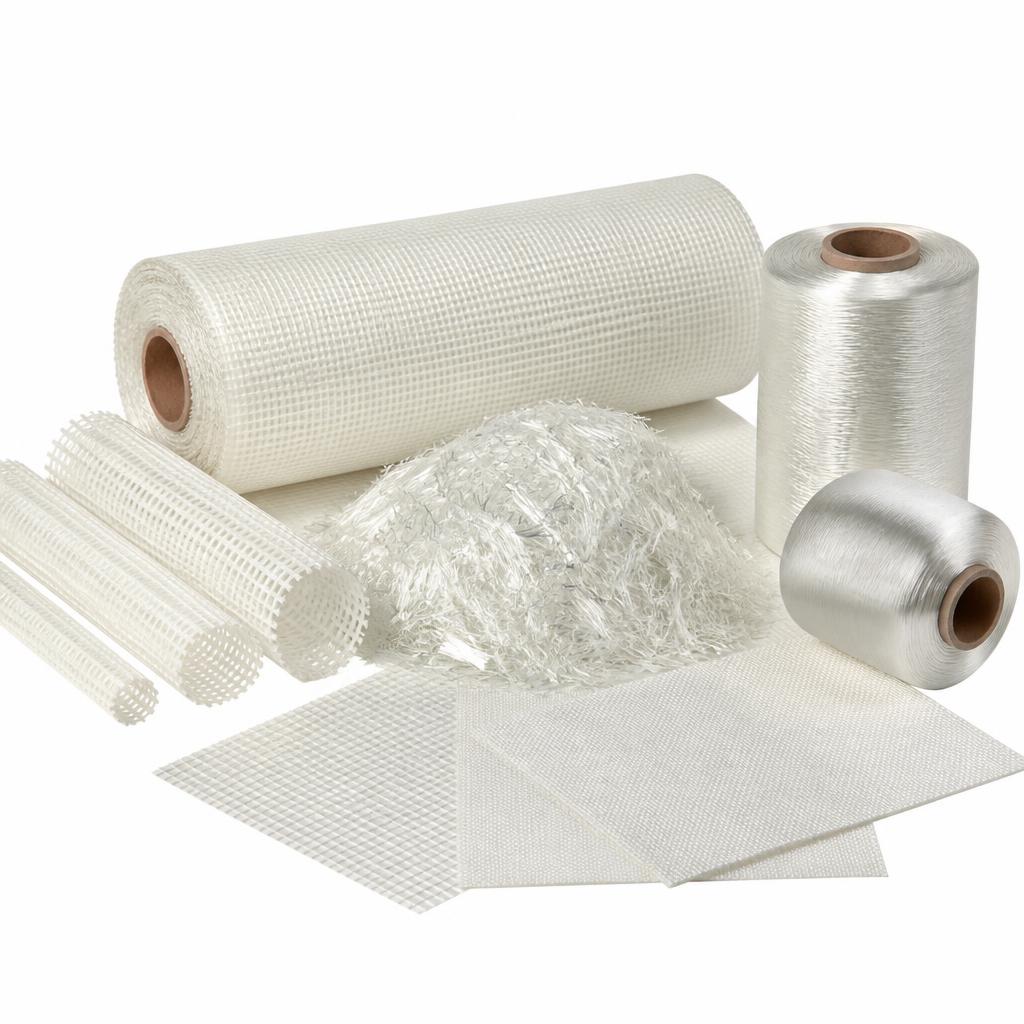
Alkali-resistant glass fibres
1 bag, 300–500 g, 12 mm fibres (mixed through the concrete to stop hairline cracking in the thin basin floor)
15
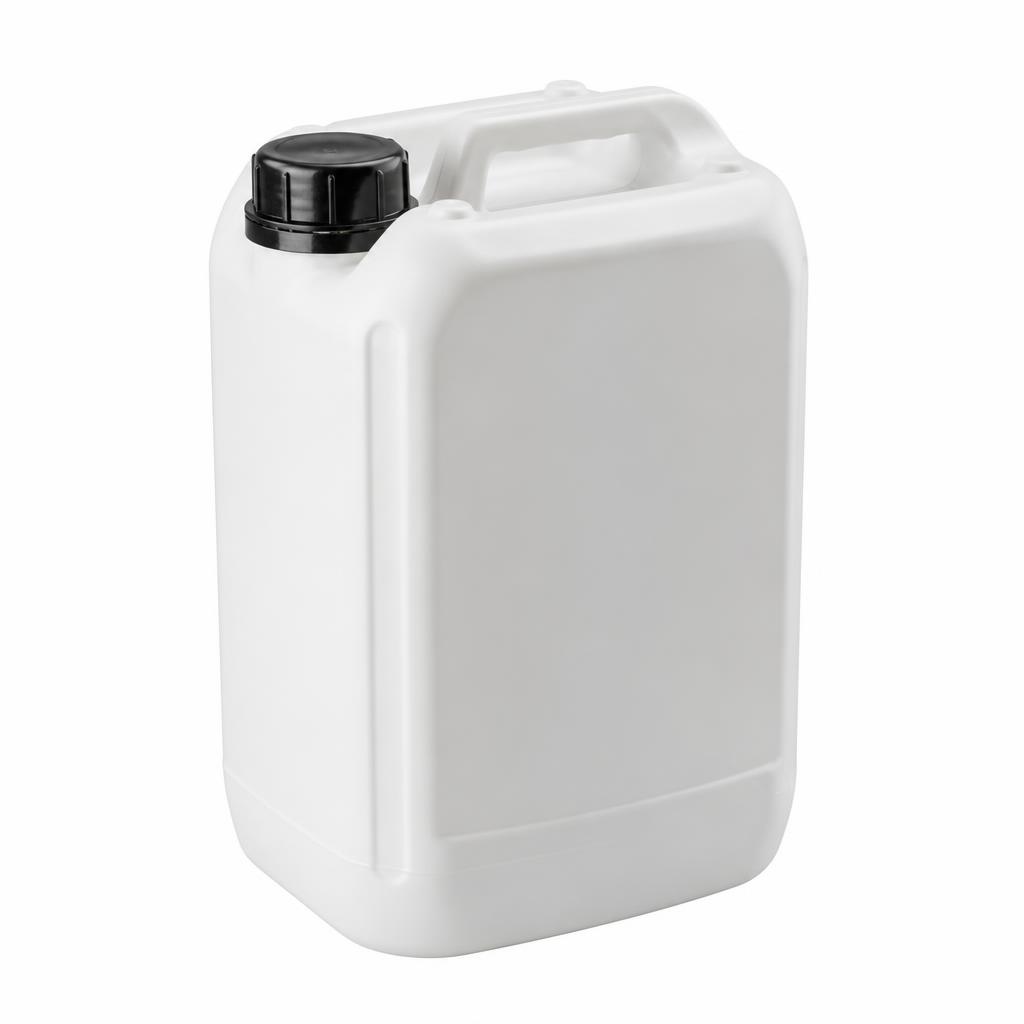
Concrete plasticiser
500 ml liquid superplasticiser (lets you pour a stiff, low-water mix that flows into the corners — key to a dense, polishable surface)
13
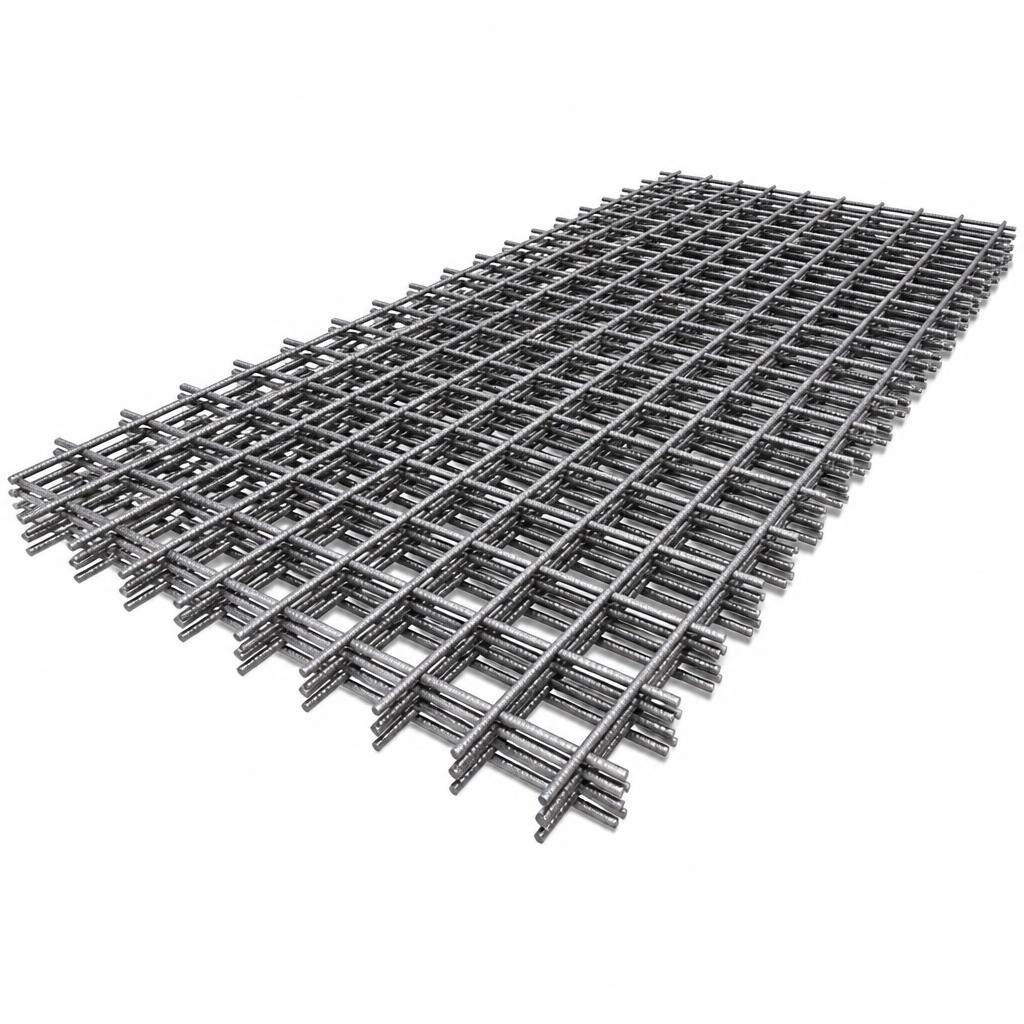
Steel reinforcing mesh
1 sheet cut to 62 × 62 cm, 6 mm bars at roughly 10 cm spacing (buried in the rim to reinforce the flat perimeter)
13
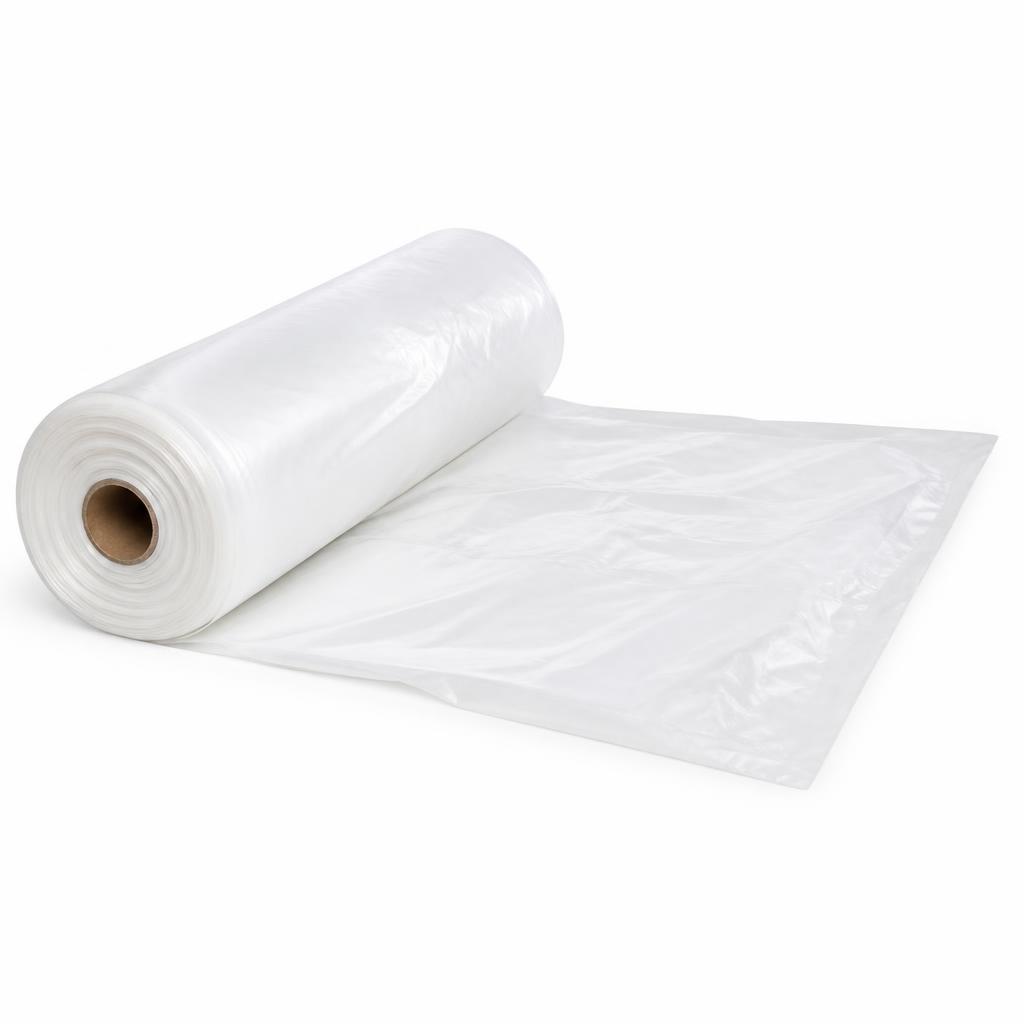
Plastic sheeting
1 roll, at least 2 × 2 m (covers the slab during the 7-day damp cure)
6
Finishing
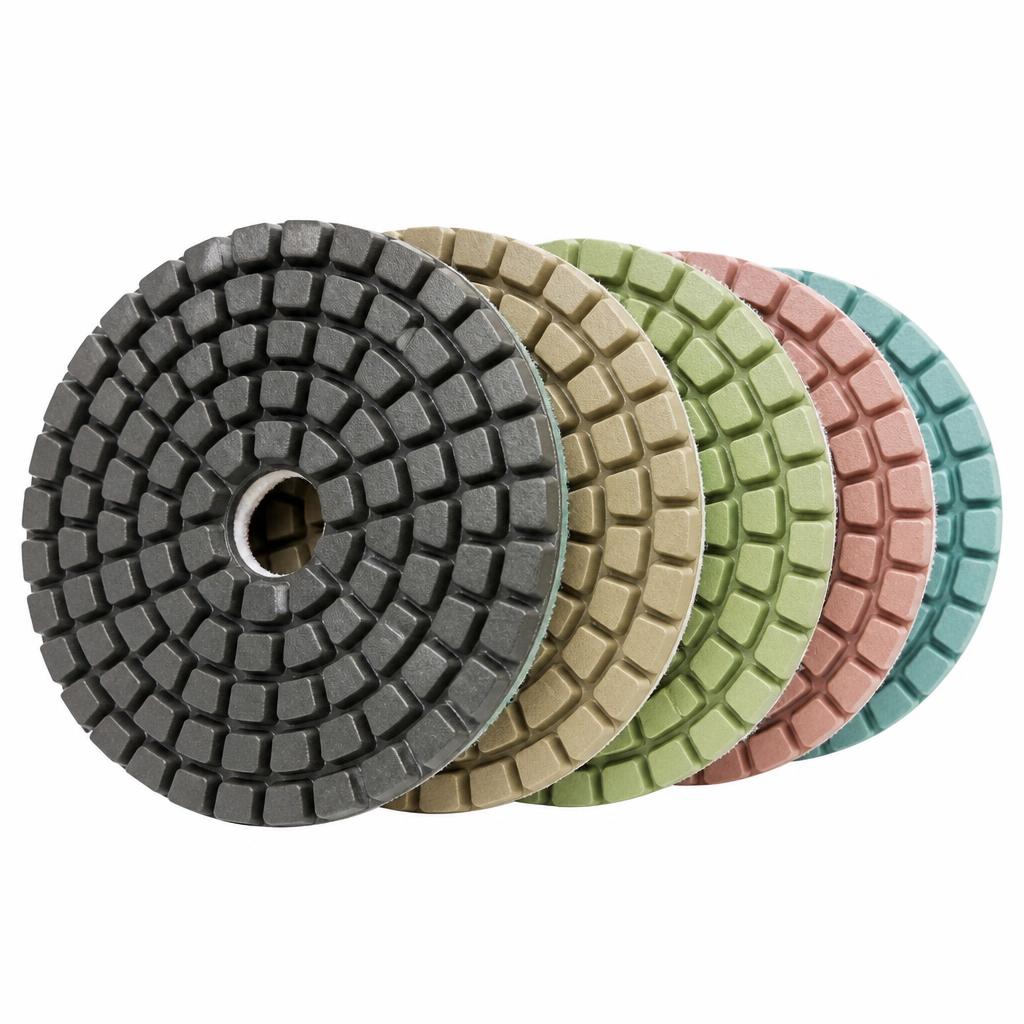
Diamond wet polishing pads
Set of 7 pads, 100 mm diameter, grits 50 / 100 / 200 / 400 / 800 / 1500 / 3000, plus one hook-and-loop backer pad with M14 thread (grinds and polishes the concrete smooth)
33
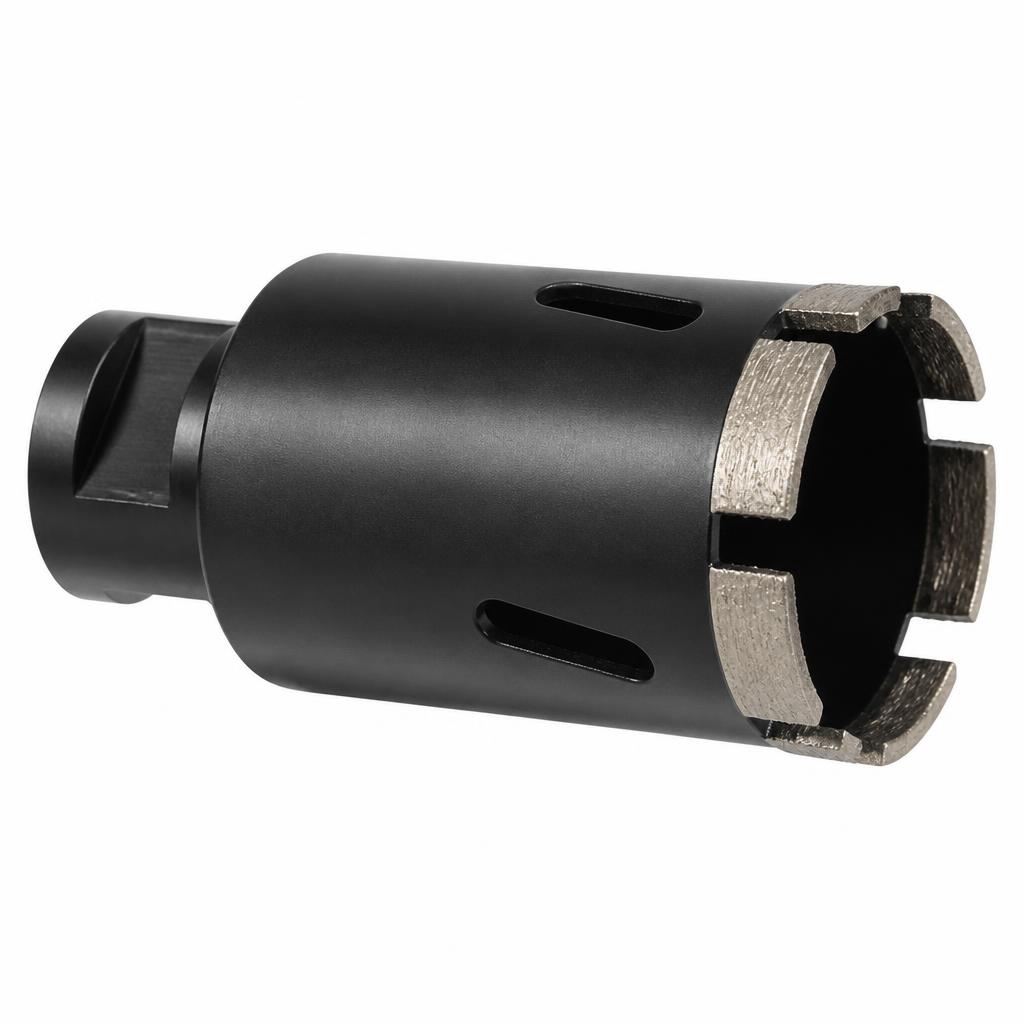
Diamond core bit 40 mm
1 wet/dry core bit, 40 mm diameter, at least 60 mm cutting depth (drills the drain hole)
20
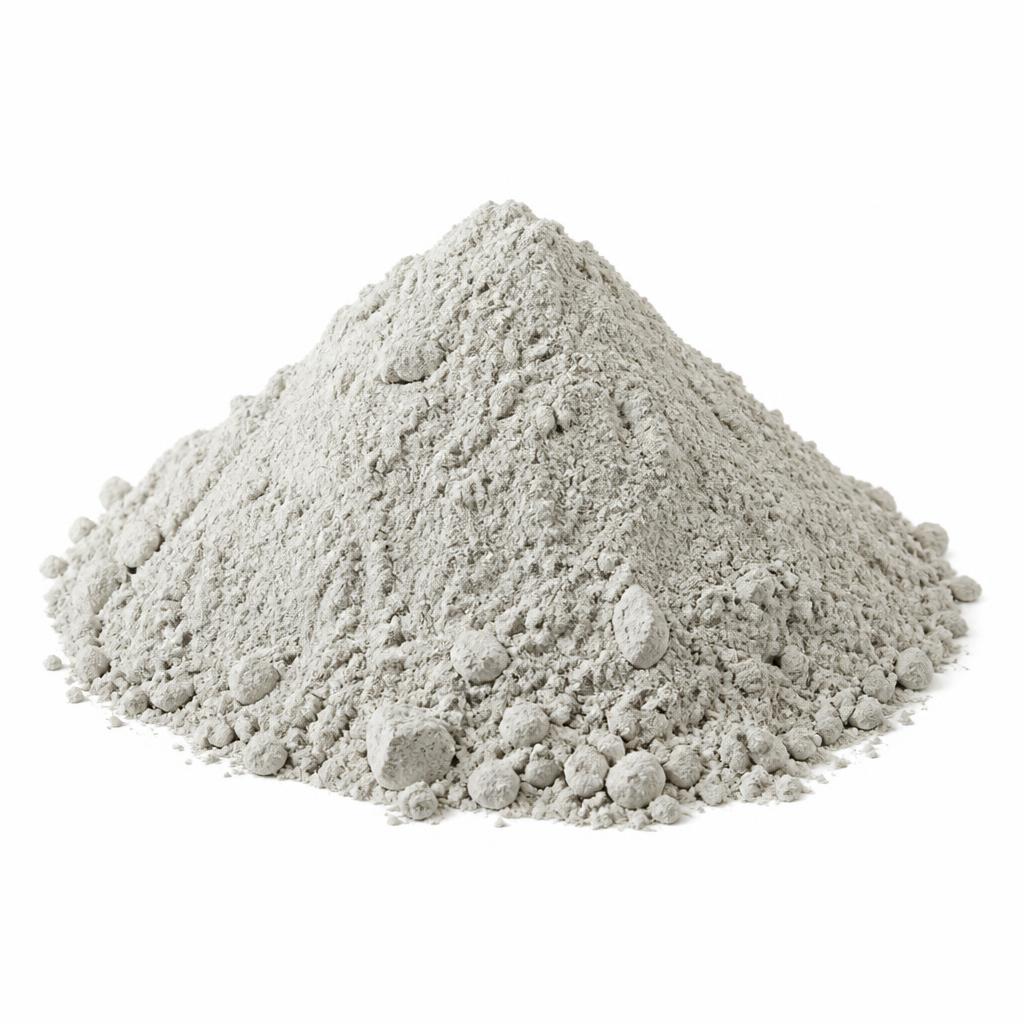
White cement slurry mix
2 kg plain cement plus 250 ml acrylic bonding admixture (rubbed into pinholes between polishing grits)
10
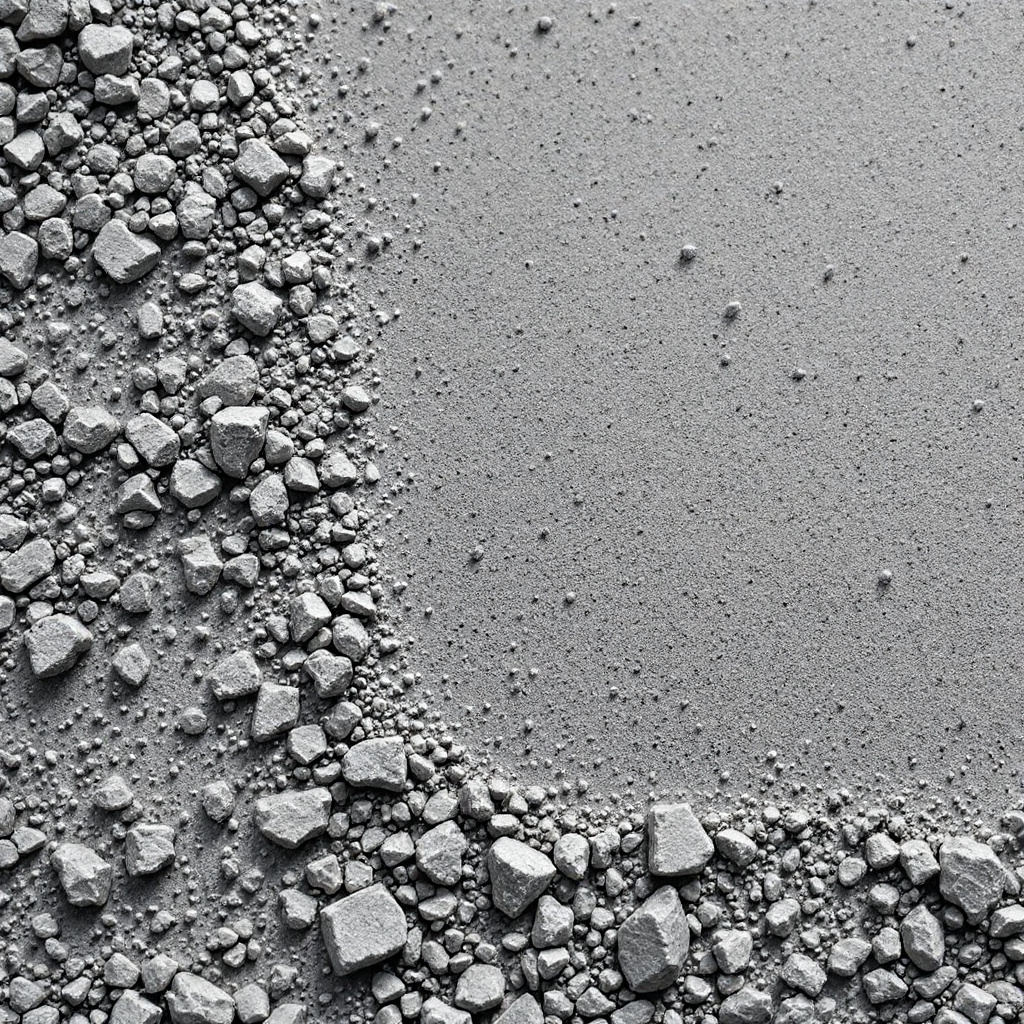
Penetrating concrete sealer
1 litre, exterior-grade water- and stain-repellent impregnating sealer (soaks in and protects the sink outdoors)
25
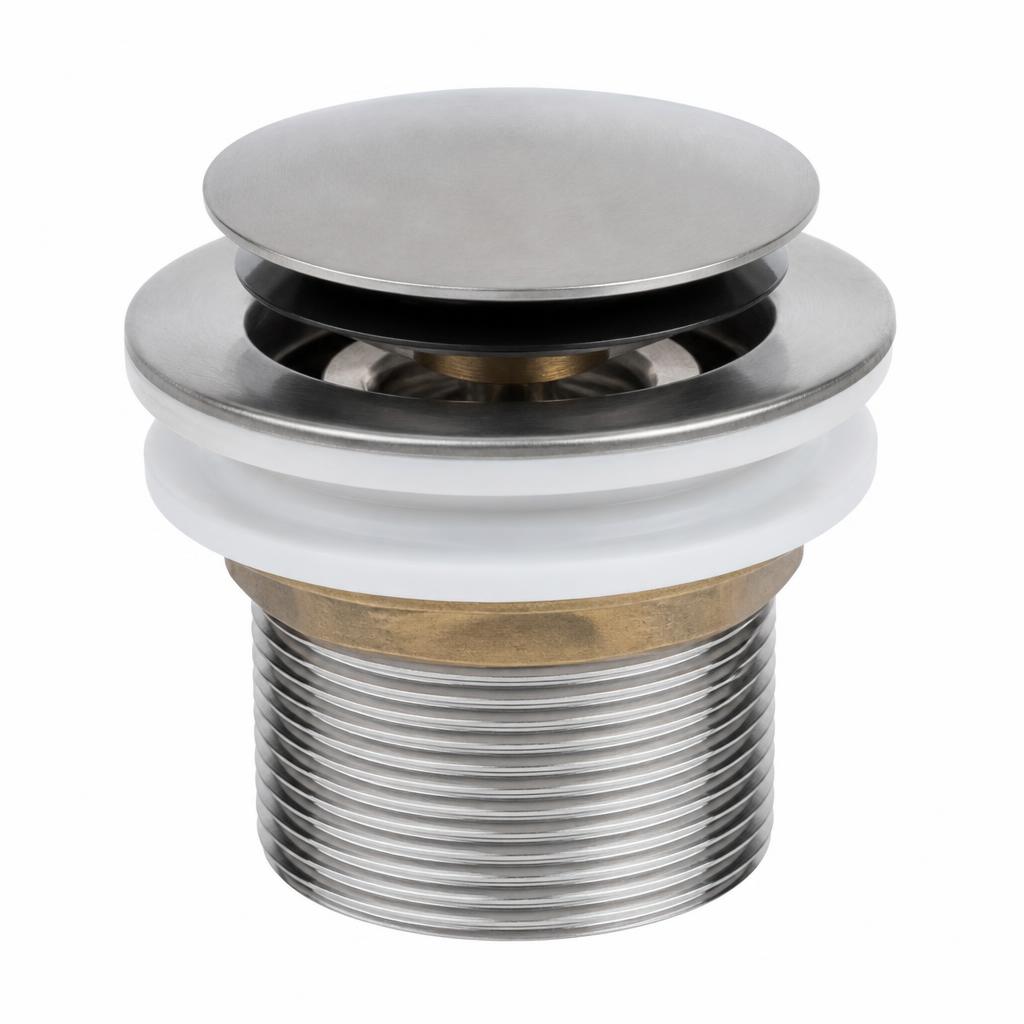
Basin waste and drain
1 slotted basin waste, 32 mm tail with a 40 mm flange, plus rubber washers and a bottle trap (the drain outlet)
16
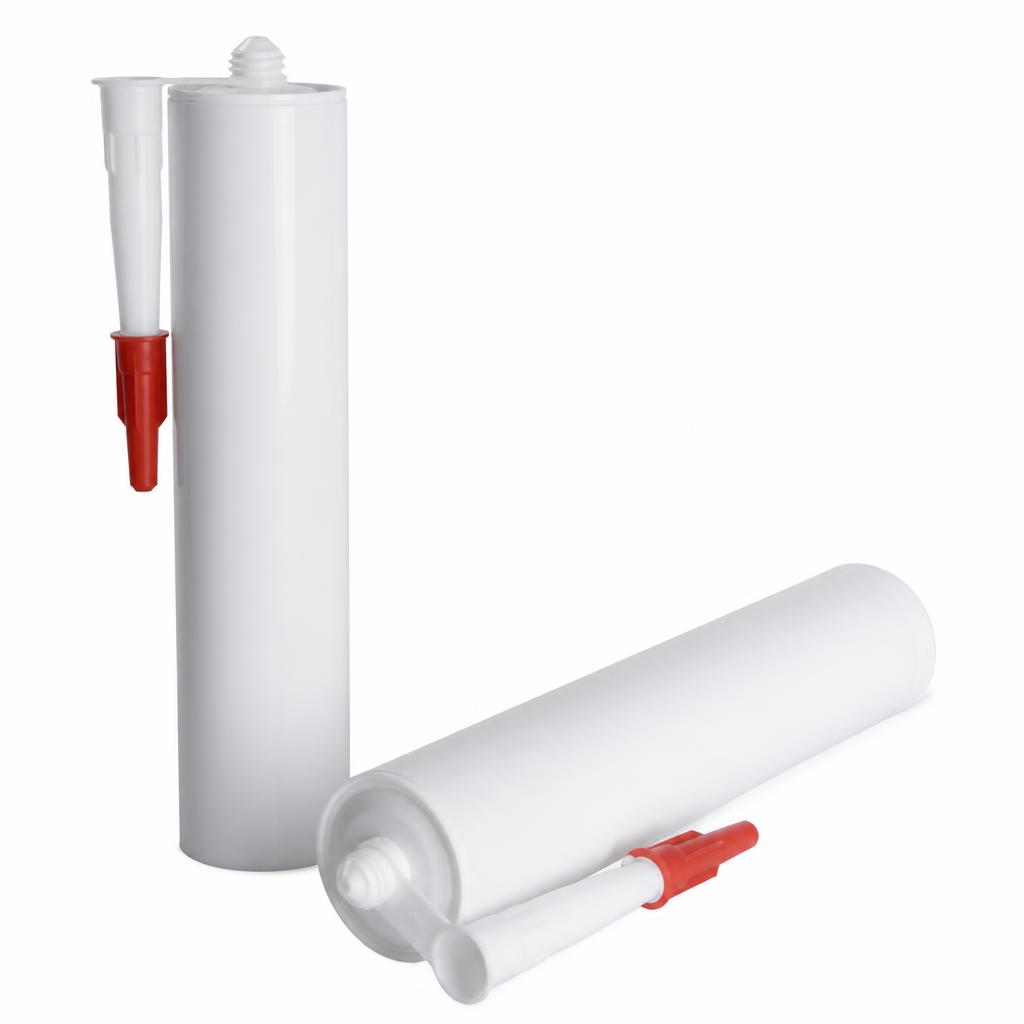
Sanitary silicone
1 cartridge, 310 ml, mould-resistant clear (beds the drain flange into the concrete)
7
Step 1 of 8
Cut list and setting out
MATERIALS
TOOLS
Circular saw→ fine 60-tooth blade, melamine face up
Jigsaw→ downcut blade for melamine
Tape measure and pencil
CUT LIST AND SETTING OUT
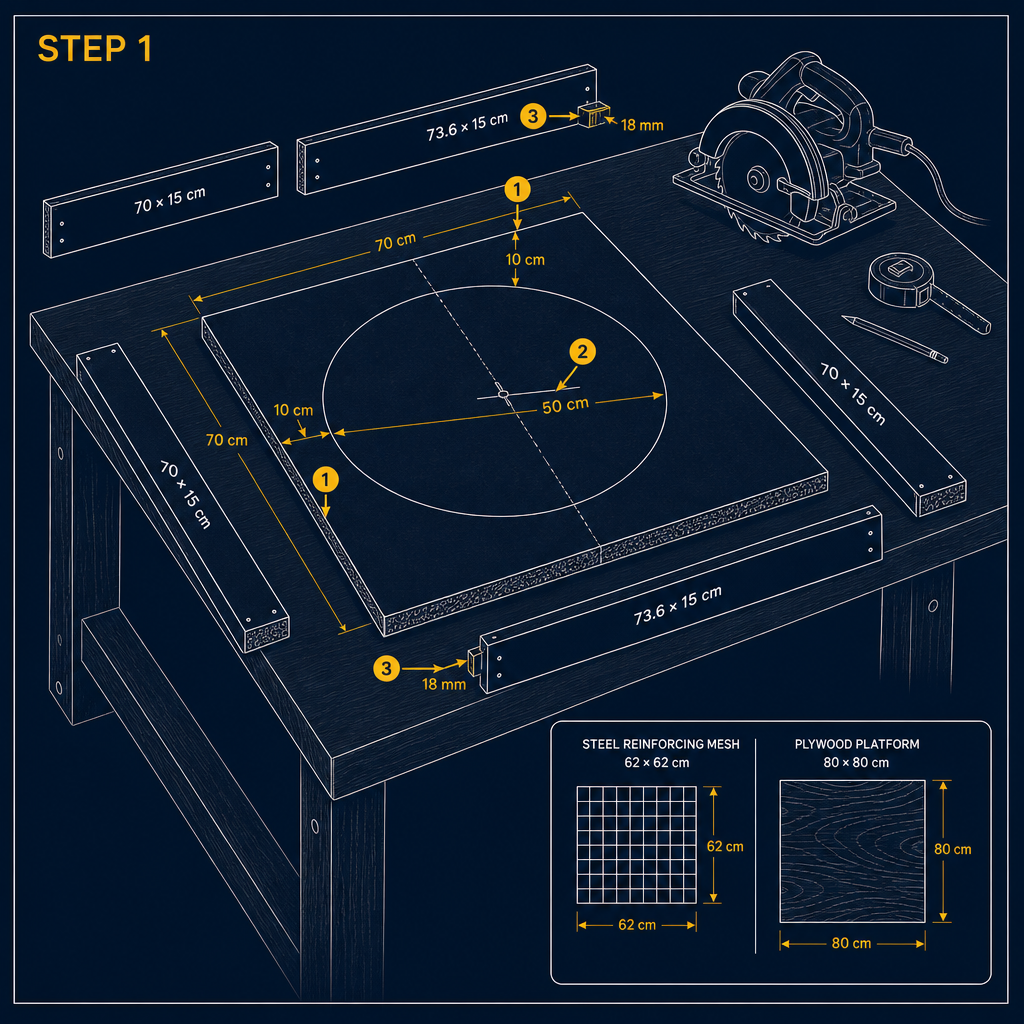
- ✓Mark 50 cm circle centred on base panel
- ✓Label all four wall strips by size
- ✓Verify 10 cm rim margin all round
Instructions
• Mould base — 1 piece melamine, 70 × 70 cm (becomes the polished TOP face of the sink). • Mould walls — 2 pieces 70 × 15 cm and 2 pieces 73.6 × 15 cm (the 3.6 cm allows for 18 mm end laps). • Basin opening — one 50 cm diameter circle, centred on the base, its edge 10 cm from each side. • Plywood ball platform — 1 piece 80 × 80 cm; reinforcing mesh cut to 62 × 62 cm. • Wear safety glasses and an FFP2/N95 mask: cutting melamine throws fine, sharp dust; use hearing protection with the circular saw.
Time & Waiting
Active work
45 minutes
People
1 person
Swipe or use ← → keys
Want to follow this guide step by step or log your own build?
Open in the Makeit App